In the aftermath of the Civil War, the United States was a nation struggling to define its future. While the abolition of slavery offered a promise of liberty and citizenship for millions of African Americans, it also triggered fierce backlash from those determined to preserve white dominance. That backlash would erupt into full-scale violence in Wilmington, North Carolina, in 1898, in what historians widely regard as the only successful coup d’état in U.S. history.
Top Three Takeaways from the Article:
Wilmington 1898 was the only successful coup in U.S. history: White supremacists violently overthrew a legitimately elected, multiracial government in Wilmington, North Carolina, murdering Black residents, destroying Black-owned businesses, and installing their own leadership.
The insurrection had long-lasting consequences: The coup ushered in a wave of Jim Crow laws across North Carolina, stripping Black citizens of voting rights and political representation. This violent suppression reversed decades of progress made during Reconstruction.
Parallels exist between Wilmington 1898 and modern threats to democracy: Historians and activists draw connections between the 1898 coup and the January 6th, 2021, Capitol riot, both of which involved political violence spurred by misinformation, racism, and an attempt to overturn democratic outcomes.
Thriving Black Community and the Rise of Fusionism
By the late 19th century, Wilmington was North Carolina’s largest city and a rare Southern example of interracial political cooperation. Thanks to the rise of the Fusionist Movement, a coalition of black Republicans and white Populists advocating for equal rights, public education, and debt relief, Black residents were experiencing unprecedented political and economic opportunity. They owned businesses, property, and even operated what was likely the nation’s only Black daily newspaper, the Wilmington Daily Record.
But this success bred resentment. White supremacists, including powerful members of the the right-wing conservative Democratic Party, saw Fusionist gains as an existential threat to white control of Southern society. Determined to reverse these advances, they orchestrated a campaign of violence, propaganda, and terror to regain power.
Campaign of Hatred and a Day of Bloodshed
As the 1898 state elections approached, right-wing Democrats in North Carolina made white supremacy the centerpiece of their platform. Militias such as the Red Shirts rode through Black neighborhoods, intimidating and attacking voters. White-owned newspapers stoked fears of racial mixing and fabricated stories of Black men preying on white women.
One editorial by Wilmington Daily Record editor Alexander Manly, challenging the myth of Black sexual aggression, became a flashpoint. His words enraged white leaders, who began planning a violent response.
Just two days after right-wing Democrats swept the state elections through intimidation and fraud, a mob of hundreds of white men, armed with rifles and even a Gatling gun, descended on Wilmington. They burned the Wilmington Daily Record offices, massacred Black residents in the streets, and forced the legally elected local government to resign at gunpoint. The coup’s leader, Alfred Waddell, installed himself as mayor that same day.
Aftermath and a Blueprint for Jim Crow
The Wilmington Massacre marked a turning point in Southern history. Within just a few years, North Carolina’s Black population was stripped of nearly all voting rights. New laws, including poll taxes and literacy tests, drove Black voter registration from over 125,000 in 1898 to just 6,000 by 1902.
Registered Black Voters in North Carolina
1898 – 1902
The Wilmington Massacre of 1898 reduced the number of registered Black voters by over 95%.
Source: Equal Justice Initiative
The perpetrators of the coup were never held accountable; instead, they were celebrated. Schools, statues, and public buildings were named after them. Some claimed their involvement with pride, using the event to bolster their political careers, including Charles Aycock, a key orchestrator who later became governor and is still memorialized in the U.S. Capitol today.
For decades, the Wilmington Massacre was reframed as a “race riot” started by Black citizens, effectively erasing the true story from public memory.
Echoes of Wilmington: Then and Now
Only in recent decades has Wilmington begun to grapple with its past. The 1998 centennial sparked new public interest, and local leaders began erecting historical markers and creating memorials. Activists and historians, such as Deborah Dicks Maxwell of the NAACP and filmmaker Christopher Everett, continue working to reclaim the truth.
The legacy of Wilmington 1898 gained renewed relevance in the wake of the January 6th, 2021, attack on the U.S. Capitol. As Everett noted, the failure to hold the 1898 insurrectionists accountable “opened the floodgates” for future acts of political violence.
Today, Wilmington has a chance to lead by example once again. Just as it was once a beacon of biracial cooperation, it may now become a model for reconciliation, justice, and confronting the enduring stain of white supremacy in American democracy.
“Wilmington was a model for the white supremacy movement with the insurrection,” Everett said. “But now Wilmington could also be a model to show how we can work together and overcome the stain of white supremacy as well.”
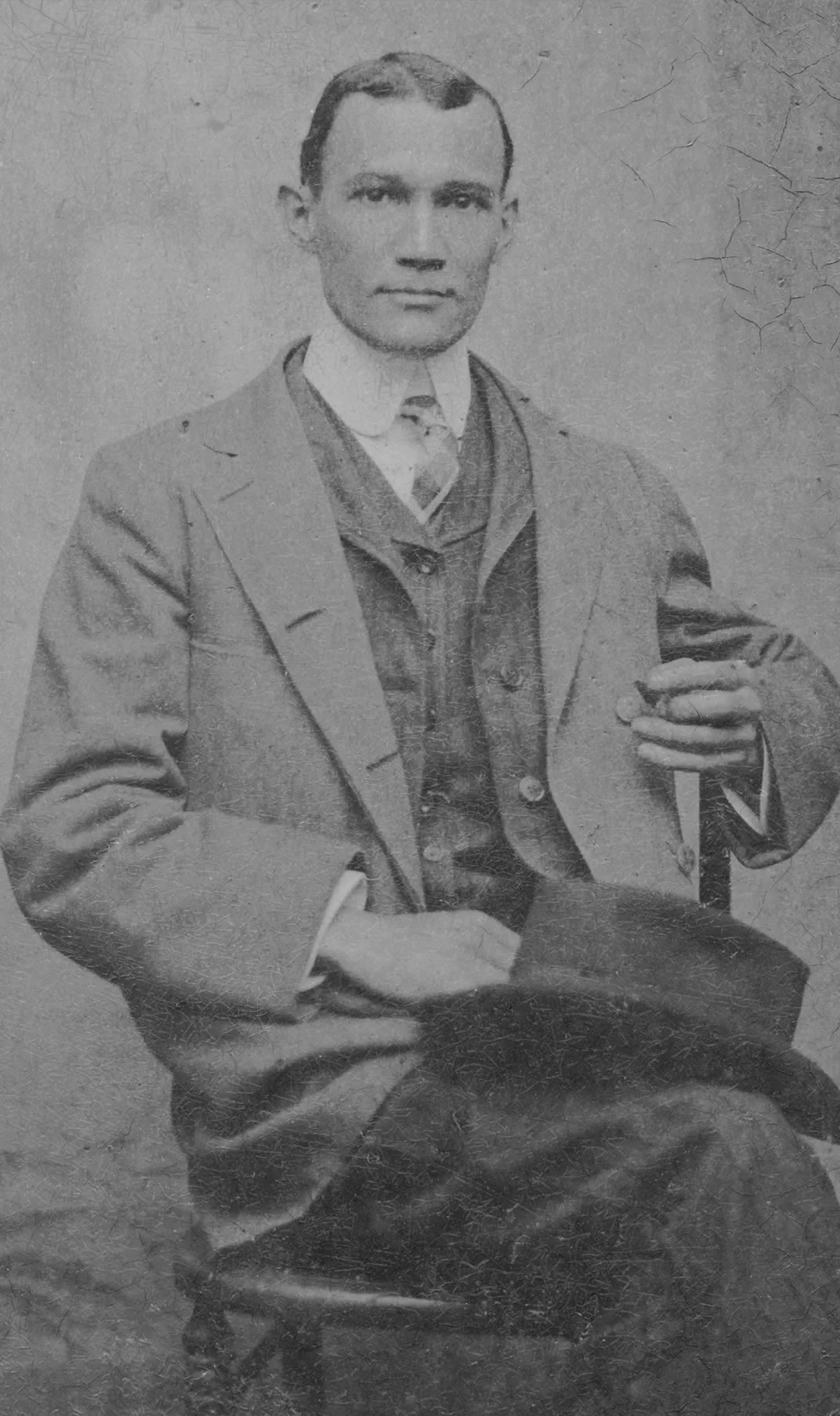
Alexander Manly – Black newspaper editor of the Wilmington Daily Record, targeted for his editorial

Alfred Waddell – White supremacist leader who led the Wilmington Massacre of 1898, named himself Wilmington mayor
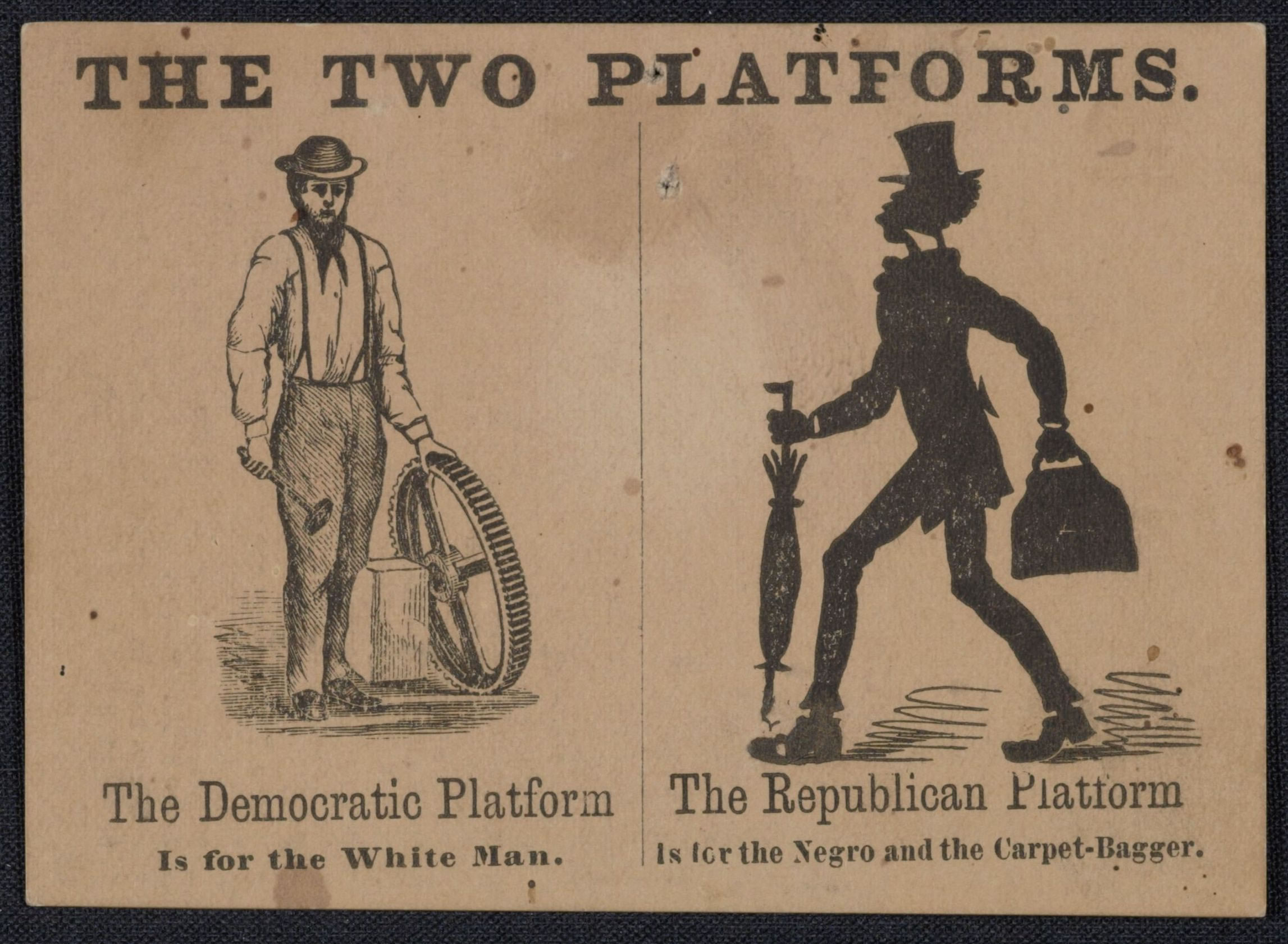
North Carolina Voter Supression Flyer